Supporting healthcare professionals with reliable MEGHdinTM antimicrobial wound care solutions for acute and chronic wound management across diverse healthcare settings.
Contact Us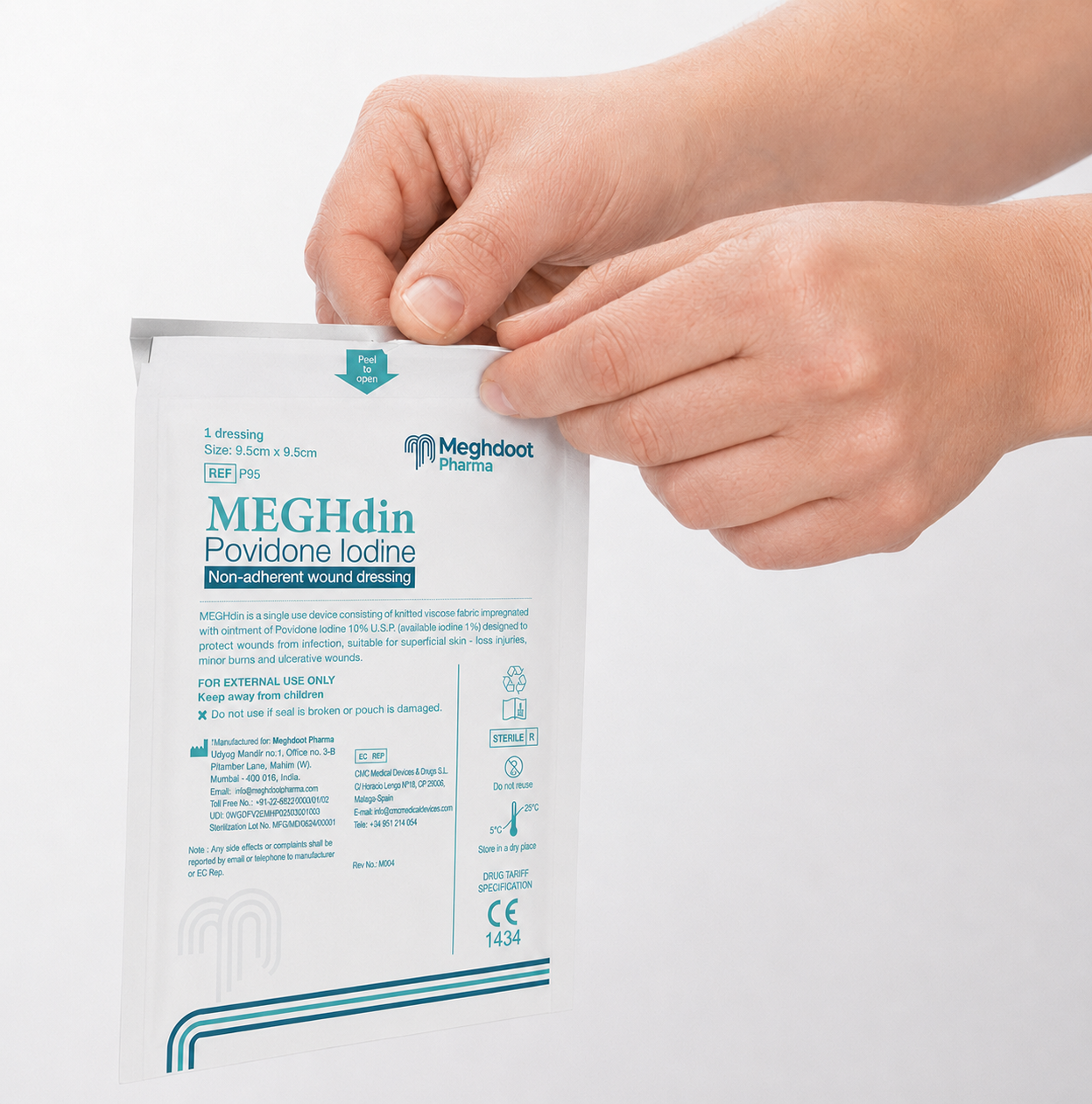
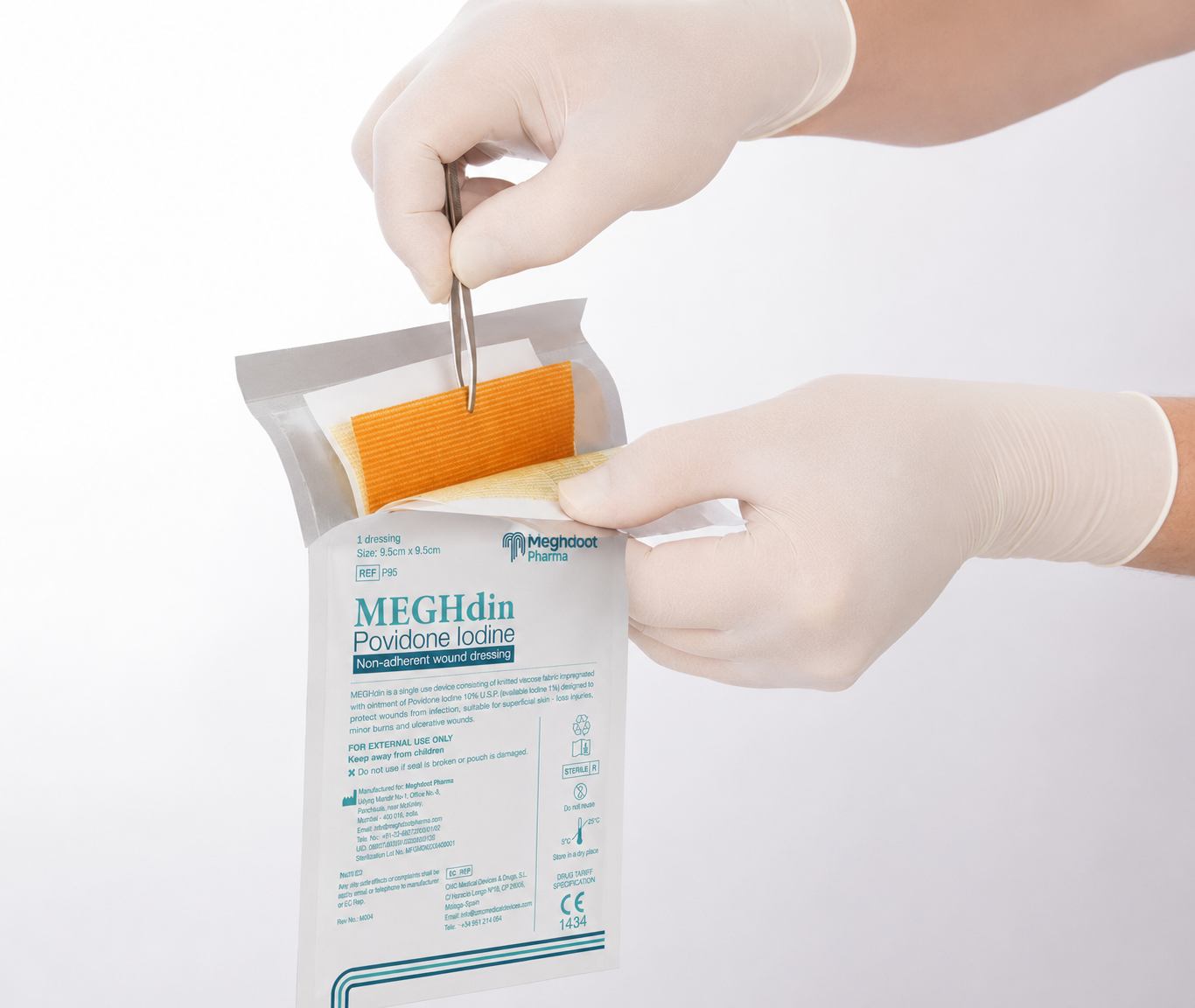
10% U.S.P. (available Iodine 1%)
MEGHdinTM is a povidone iodine non-adherent wound dressing designed to provide broad-spectrum antimicrobial protection while supporting a clean wound environment.
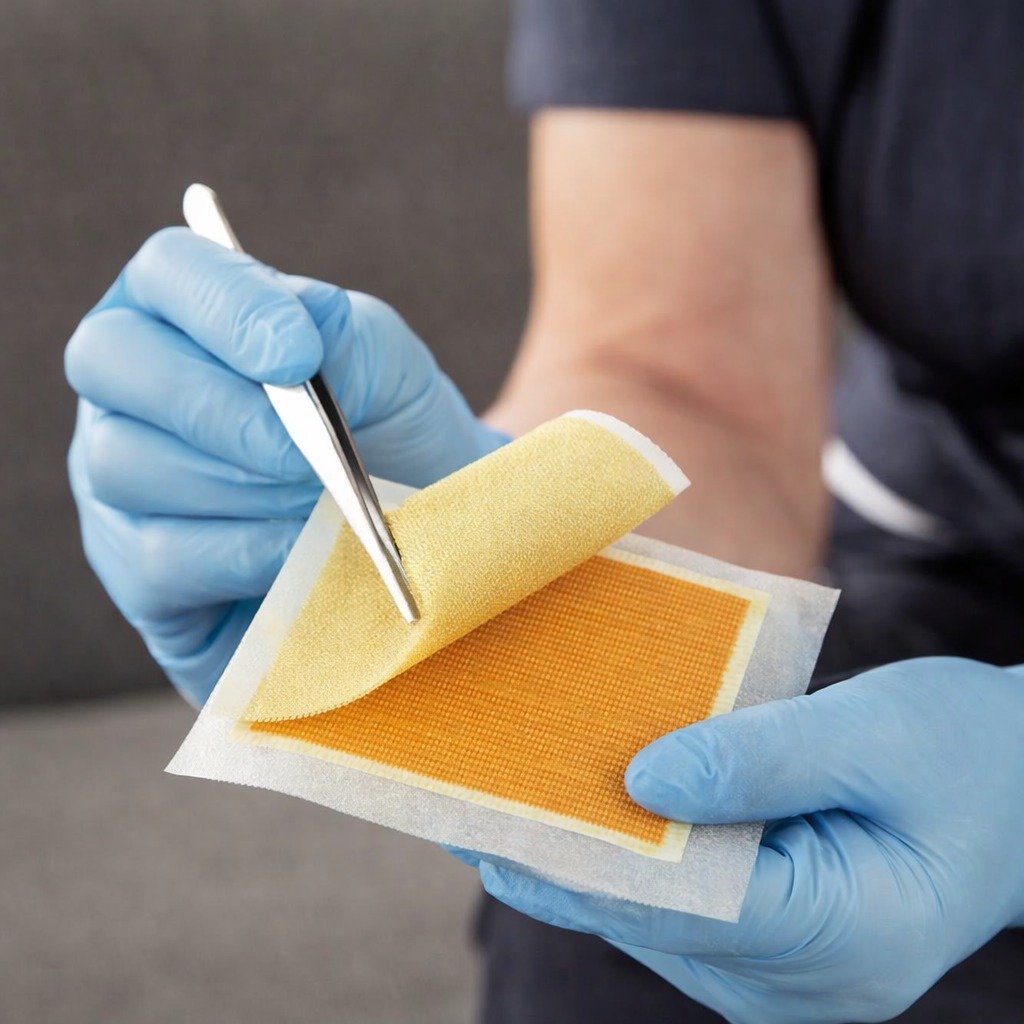
It combines povidone iodine with a non-adherent dressing structure to help protect the wound and minimize disruption to the wound bed during dressing changes.
Povidone iodine has been used clinically for several decades and is recognized for its broad antimicrobial spectrum, activity against biofilm-forming organisms, and established role in infection prevention and wound healing protocols.
Designed to provide flexibility and conform to different anatomical areas.
The HDPE film layer supports smooth dressing removal while minimising fibre residue.
Designed to reduce adherence between the dressing and the wound surface during dressing changes.
Supports routine wound management when used in accordance with established care protocols.
Visual check for dressing colour change – enables easy monitoring of dressing status during wound management.
MEGHdinTM delivers comprehensive antibacterial efficacy against a broad spectrum of wound-related pathogens including:

Bacteria, including MRSA

Fungi

Yeasts
Protozoa
MEGHdinTM is intended for use in the management of wounds where an antimicrobial dressing is considered appropriate by a healthcare professional.
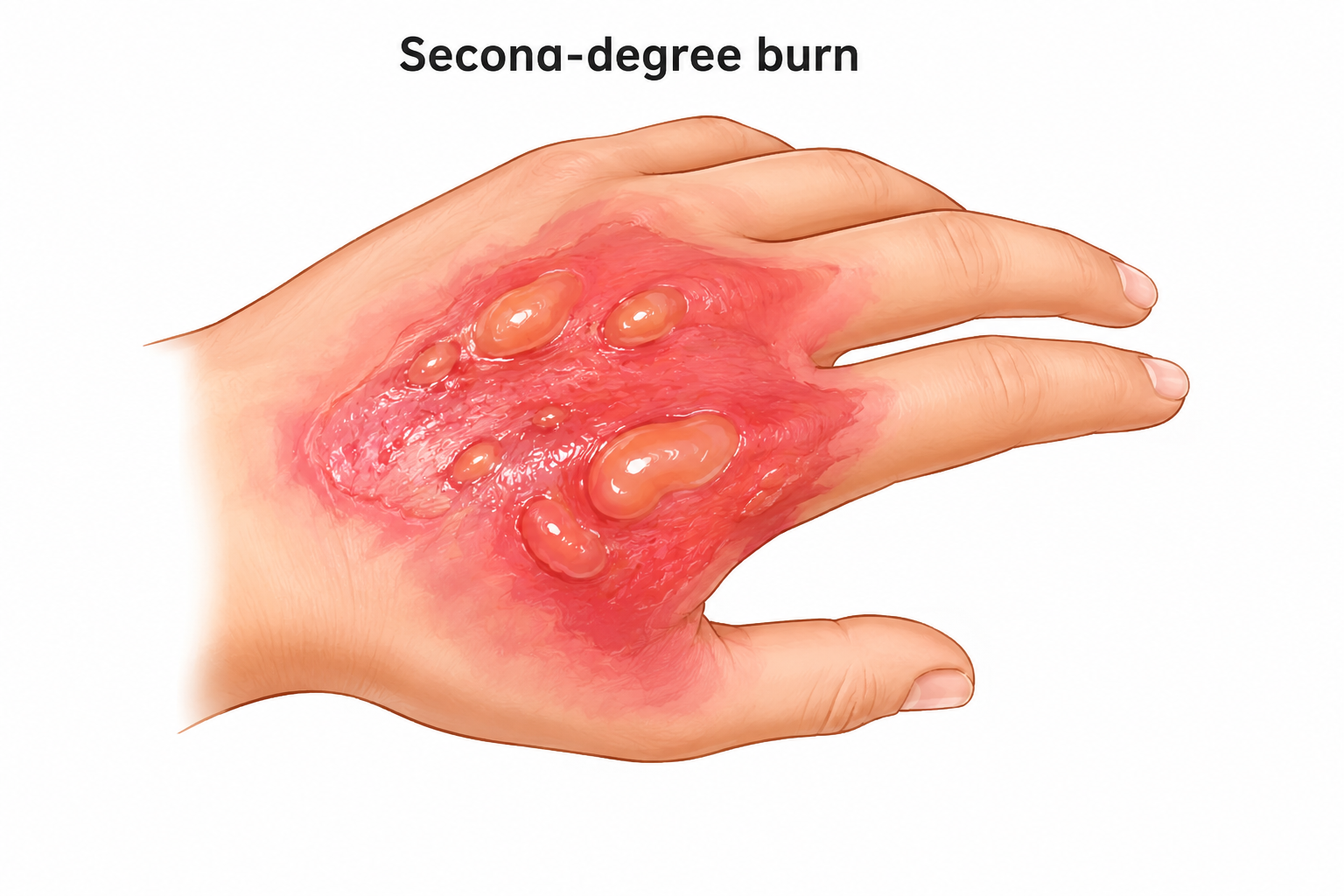
Suitable for superficial burns requiring antimicrobial wound management.
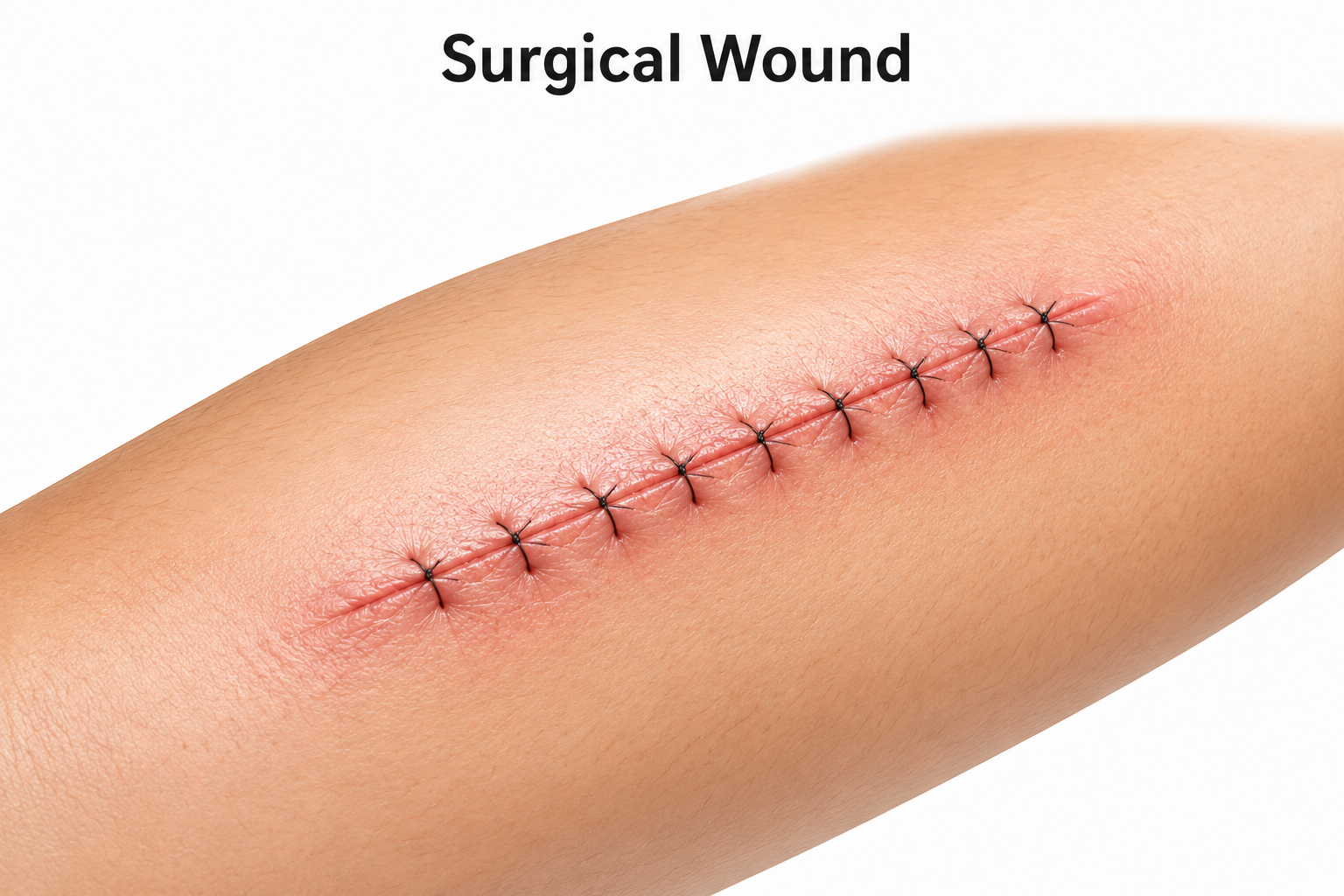
Designed for fragile skin where a non-adherent dressing may be appropriate.
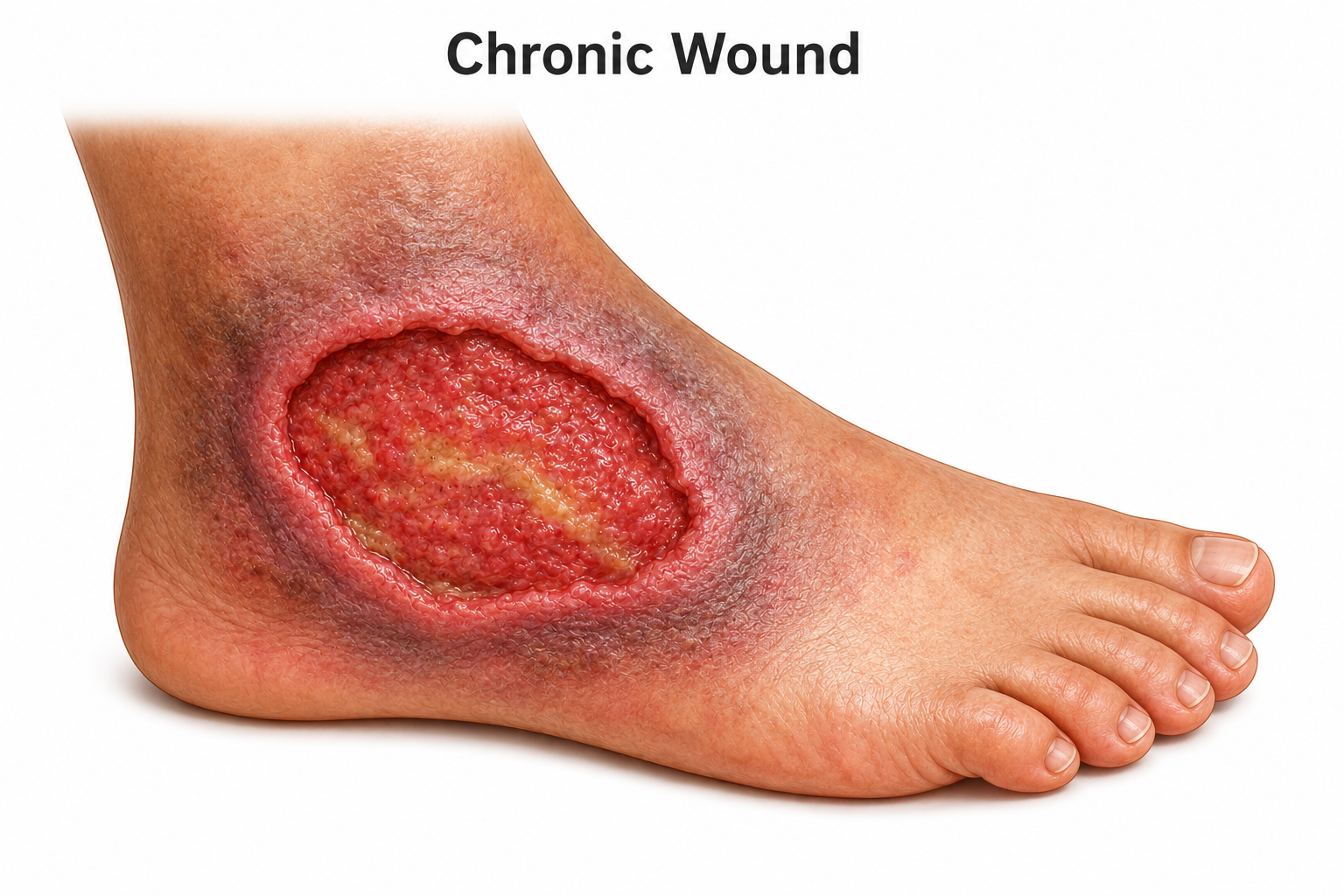
May be incorporated into comprehensive diabetic wound management protocols.
Intended for use in pressure injury management as part of an appropriate care plan.
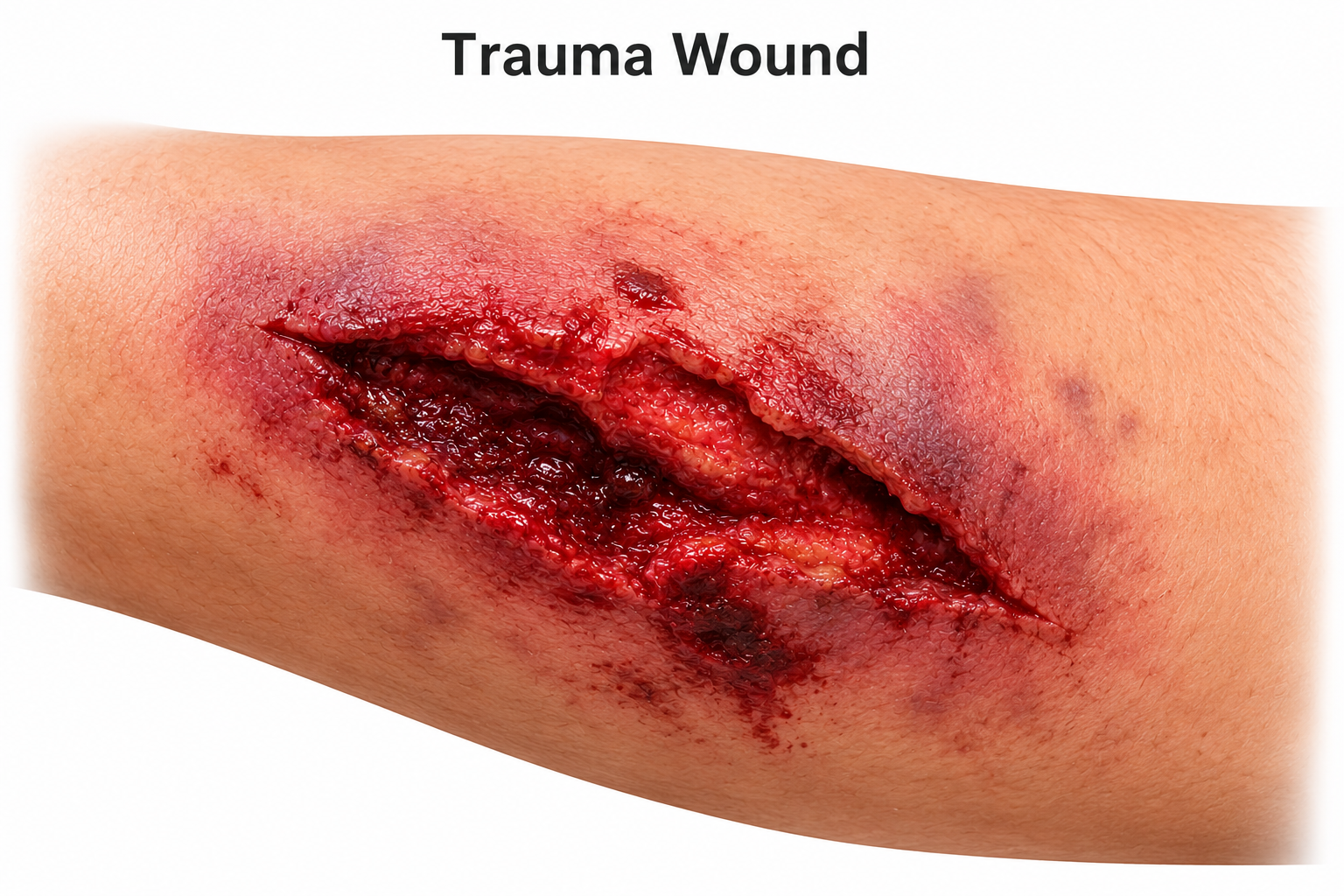
Suitable for wounds involving partial skin loss.
May be used for chronic wounds requiring an antimicrobial non-adherent dressing.
Clean the wound according to established clinical protocols.
Place the dressing directly over the affected area.
Use a secondary dressing or bandage based on clinical needs.
Change the dressing as recommended by a healthcare professional.
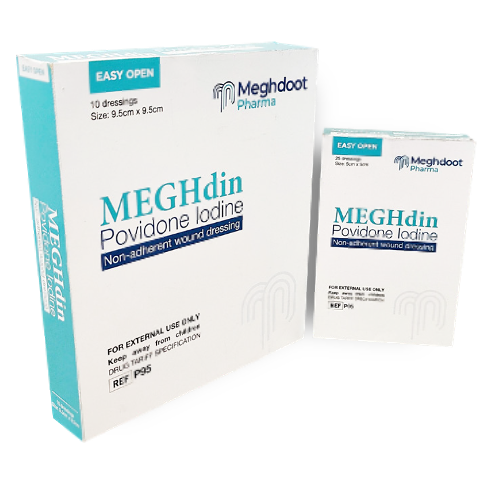
9.5 cm × 9.5 cm
10 UNITS PER BOX
5 cm × 5 cm
25 UNITS PER BOX
Effective wound management requires consideration of multiple factors that may influence treatment planning and dressing selection.
Selecting an appropriate wound dressing forms part of a comprehensive treatment plan based on wound assessment, patient needs, and established healthcare protocols.
Dressing selection should always be determined by a qualified healthcare professional.
Key considerations include:
Managing Bio-burden where appropriate
Maintaining an appropriate wound environment
Managing wound exudate according to wound condition
Protecting newly formed tissue during dressing changes
Supporting patient comfort throughout treatment
Reducing disruption to the wound bed during dressing replacement

MEGHdinTM is produced within an established quality management framework for medical devices. Information on certifications, regulatory compliance, and quality standards is available on our Quality & Certifications page.
Explore Our CertificationsThis combination provides a dual-action clinical benefit. The Povidone Iodine delivers broad-spectrum antimicrobial protection to help manage bioburden, while the HDPE (High-Density Polyethylene) film layer creates a barrier that prevents the dressing from sticking to the wound bed. This ensures atraumatic removal, protecting fragile, newly formed tissue from disruption during dressing changes, which is critical for patient comfort and healing.
MEGHdin is designed as a primary wound contact layer. While it provides the necessary antimicrobial interface, it is intended to be used in conjunction with a secondary dressing or bandage. The secondary dressing should be selected based on the wound's exudate level and clinical requirements to ensure the primary dressing remains in optimal contact with the wound surface.
The knitted viscose fabric is chosen for its structural integrity and conformability. Unlike rigid dressings, the knitted design allows MEGHdin to drape and conform easily to irregular anatomical areas, ensuring effective coverage and sustained contact with the wound bed — an essential factor for consistent antimicrobial distribution and effective wound management.
Yes. MEGHdin is highly versatile and validated for use across both acute (e.g., skin tears, minor burns, post-operative wounds) and chronic (e.g., diabetic foot ulcers, pressure ulcers, venous leg ulcers) wound care protocols. Its antimicrobial profile and non-adherent properties make it a reliable choice for professional healthcare settings where infection control and trauma reduction are clinical priorities.
We prioritize complete transparency for institutional procurement. MEGHdin is manufactured within a stringent quality management framework for medical devices. Procurement teams and clinical auditors can access our full compliance documentation, including regulatory certifications and quality management credentials, through our dedicated Quality & Certifications portal to support their internal supplier validation processes.
If you're assessing antimicrobial wound dressings for your healthcare organisation or distribution portfolio, our specialists can provide detailed product information, quality documentation, and procurement support.
Contact Us